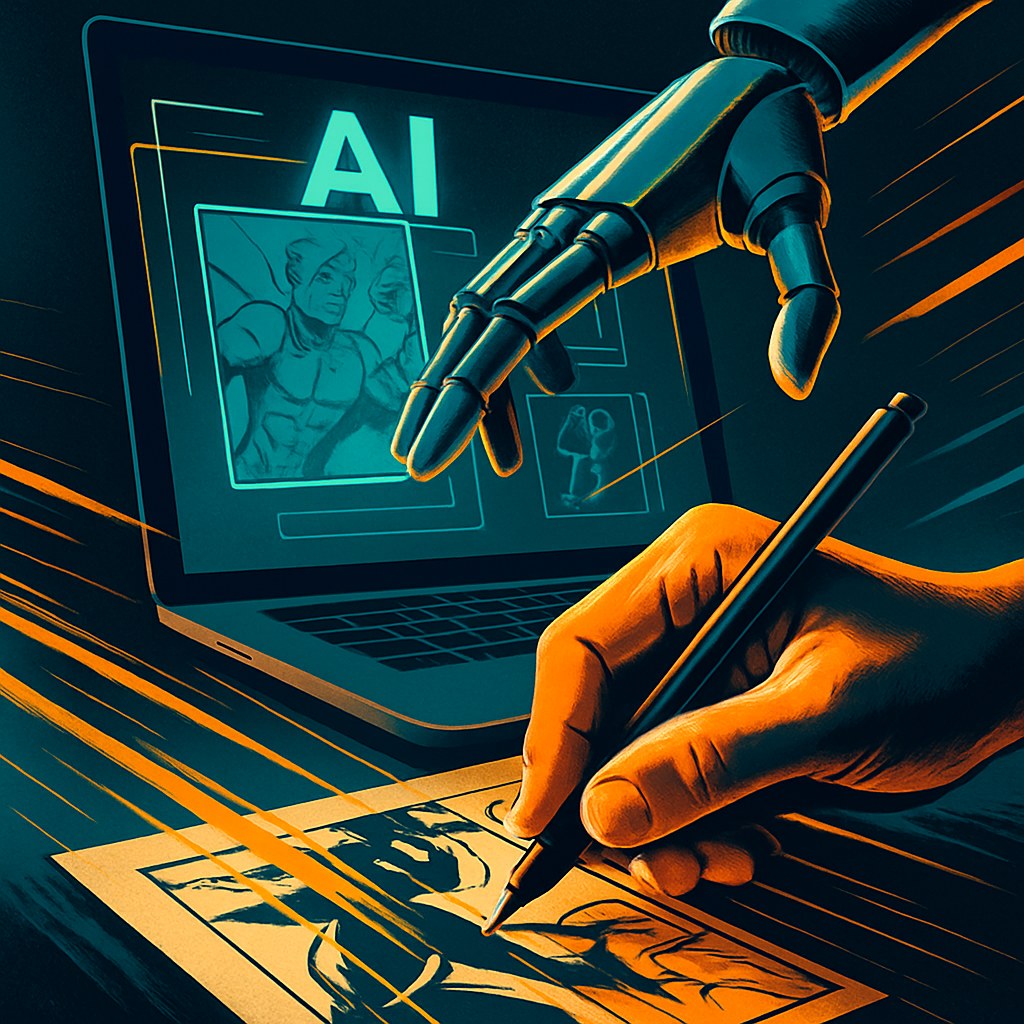
At MomoCon in 2024, applications for Artist Alley tables outnumbered available spots by more than six to one. The organizers' response wasn't to build a bigger hall. It was to require 2D artists to submit process videos proving their work was human-made. That's where we are now: the convention circuit, long a scrappy refuge for independent artists selling prints and pins to people who actually want them, has become a credentialing battleground.
The proximate cause is obvious. AI image generation got good enough, fast enough, that anyone with a laptop and a Midjourney subscription could generate a stack of anime-adjacent prints and set up a table between an illustrator who spent three years developing a style and another who's been screen-printing by hand since college. The economics of that are brutal. According to data from the Academy of Animated Art, 43 percent of artists rely on sales as their primary income, and 50 percent say they fear losing that income to AI. Those aren't abstract anxieties.
The Convention Circuit Draws a Line
The crackdown has been real and, in at least one case, dramatic. In September 2025, an exhibitor at Dragon Con's Artist Alley was escorted out by police after failing to prove their prints were human-made. That incident prompted GalaxyCon, which runs 38 shows across North America, to enact a zero-tolerance AI art ban across all its events. San Diego Comic-Con followed in January 2026 with a full prohibition on AI-generated art from the show floor, citing pressure from small-scale artists for whom convention sales aren't a side hustle. They're the business.
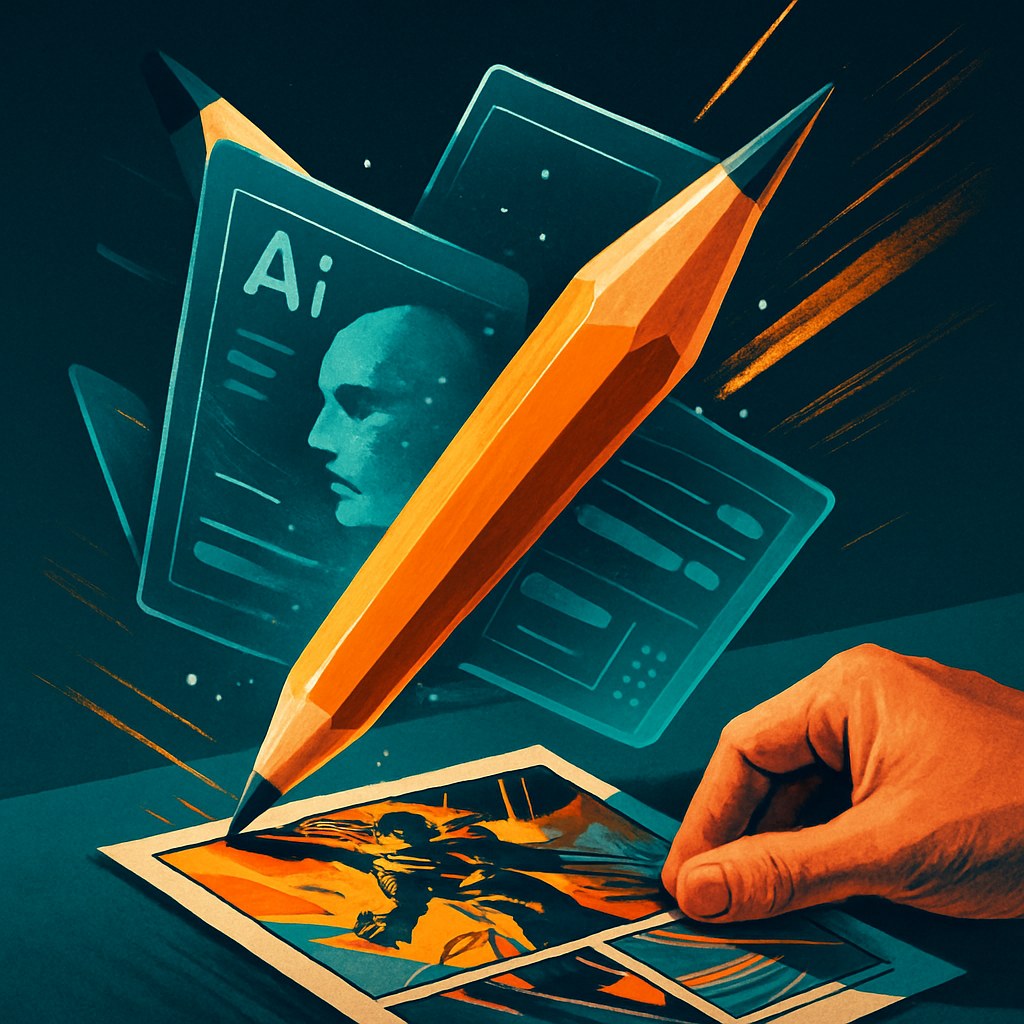
It's tempting to frame this as technophobia, and some critics will. The counter-argument goes: tools change, industries adapt, and gatekeeping 'authentic' art is a slippery slope. That's not wrong, exactly. Photoshop disrupted darkroom photographers. Digital painting disrupted ink illustrators. Every generation of artists has had to contend with some new thing that lowered the barrier to a passable result.
This Time the Scale Is Different
But the speed and scale here are different in kind, not just degree. The conventions aren't banning AI because it's new. They're banning it because a specific, verifiable harm was happening to a specific, identifiable group of people with no other obvious recourse. The artist who spent a decade refining their figure work can't out-produce a generative model on volume. They can't compete on price. The only thing they have is the room full of people who came specifically to buy something made by a human, and that room was being diluted.
Twenty-nine percent of artists report already using AI in their work, which complicates the enforcement picture considerably. Where's the line between an artist who used AI to rough out a composition and one who typed a prompt and hit print? Conventions are going to get that wrong sometimes. The process video requirement is imperfect. The verification is imperfect. None of that means the underlying instinct is wrong.
The Artist Alley was never meant to be a passive marketplace. It was meant to be a place where the person behind the table made the thing on the table. Protecting that, even imperfectly, seems worth the trouble.