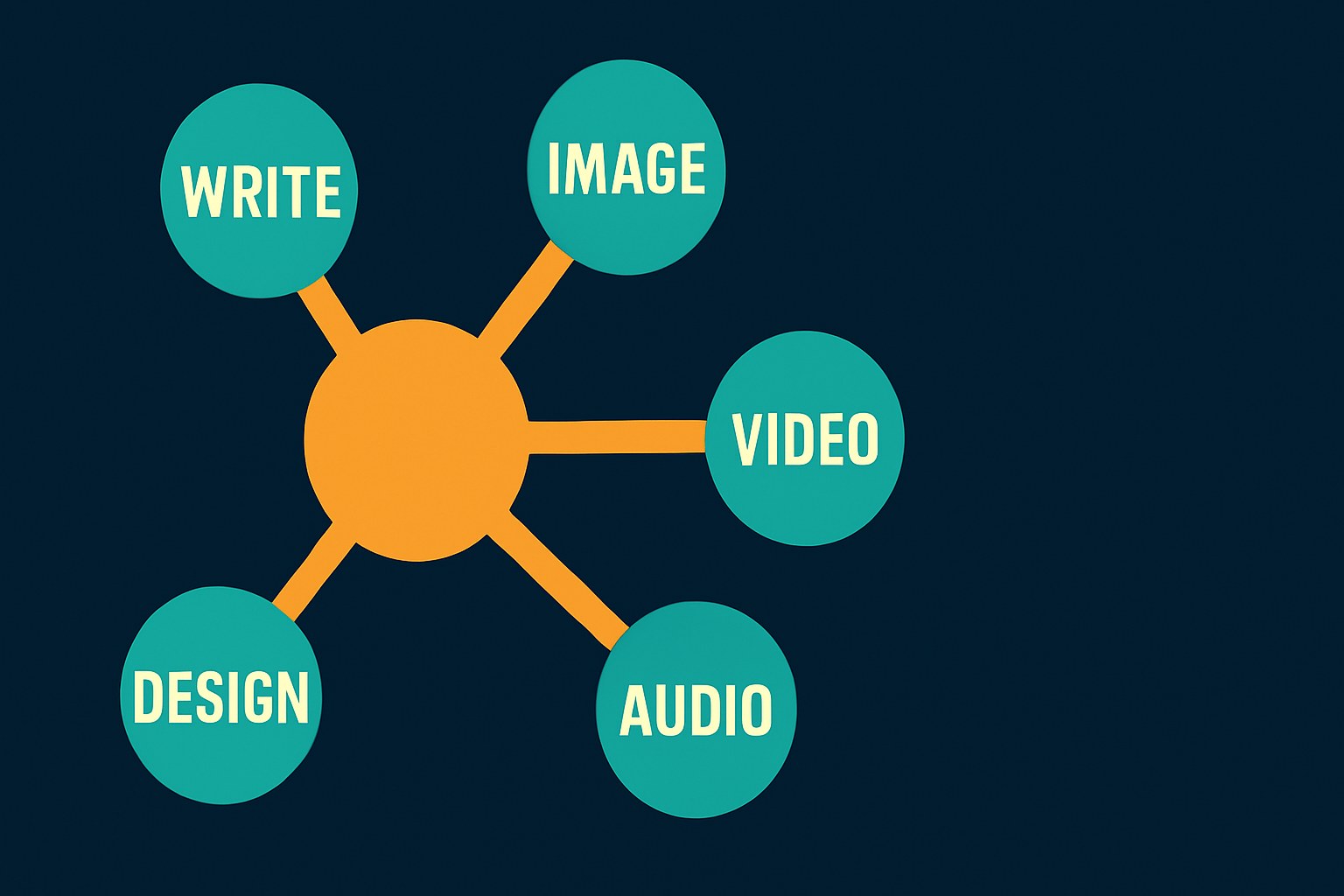
The AI tool conversation in 2026 has gotten loud enough that ignoring it feels like a choice, but the list of options is long enough to make actually starting feel impossible. This isn't a directory. It's five tools, matched to five creative jobs, chosen because they're actively maintained, genuinely accessible to beginners, and worth the time it takes to learn them. One of them probably fits what you already make.
What 'AI content tool' actually means right now
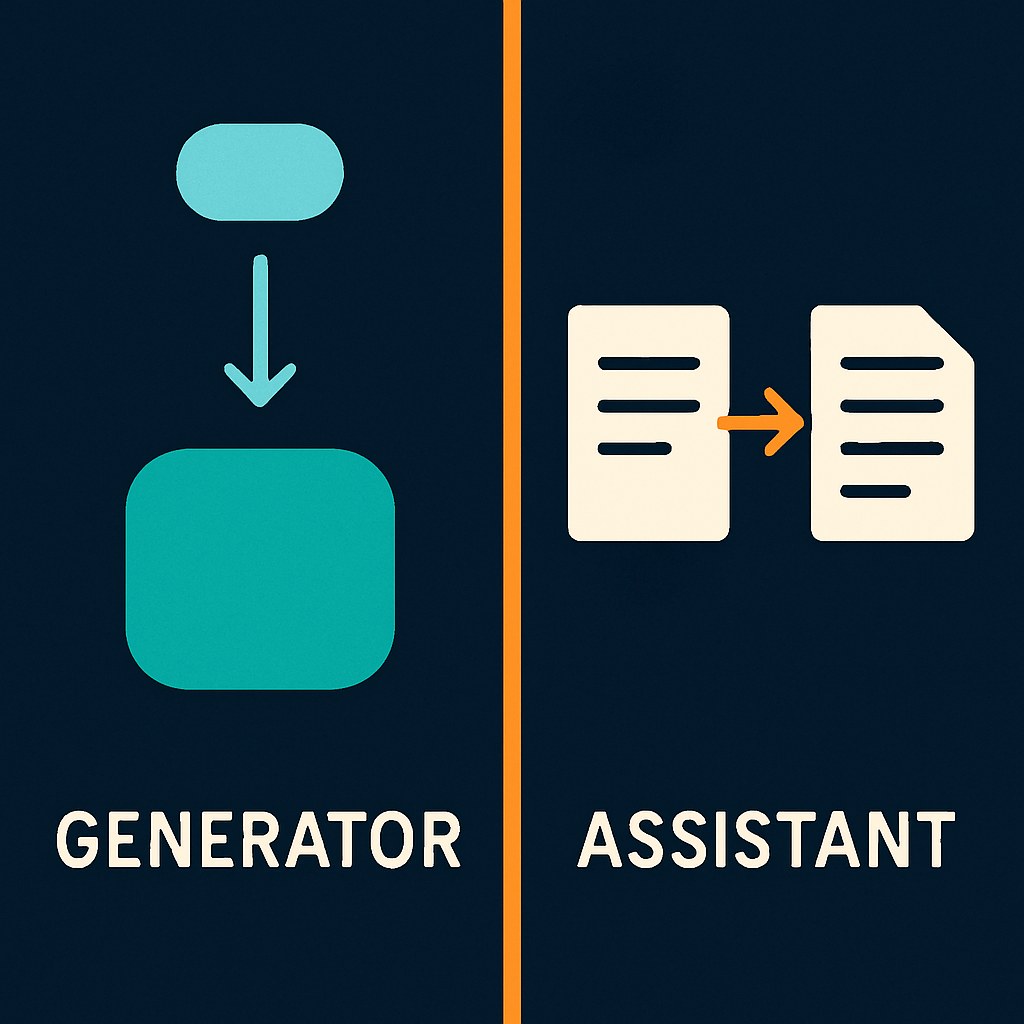
Most of the tools calling themselves AI creators in 2026 fall into one of two camps: generators (you describe something, it makes it) and assistants (you bring your own work, it helps improve or extend it). Both are genuinely useful, and which one you need depends entirely on whether you're starting from nothing or finishing something you've already begun.
The hype version of this space promises full automation. The realistic version is more like a capable collaborator who works fast, gets things wrong in specific and learnable ways, and improves significantly once you understand how to talk to it. The tools below are the ones where that collaboration actually pays off quickly enough to justify the learning curve.
Five tools, five creative categories
These aren't the only tools in each category. They're the ones a beginner can try today without a credit card or a waitlist, where the free tier is functional enough to tell you whether it's worth going further.
 ChatGPT (OpenAI) →
 Adobe Firefly →
 Runway →
 ElevenLabs →
 Google Gemini / AI Studio →
Pick one and actually try it
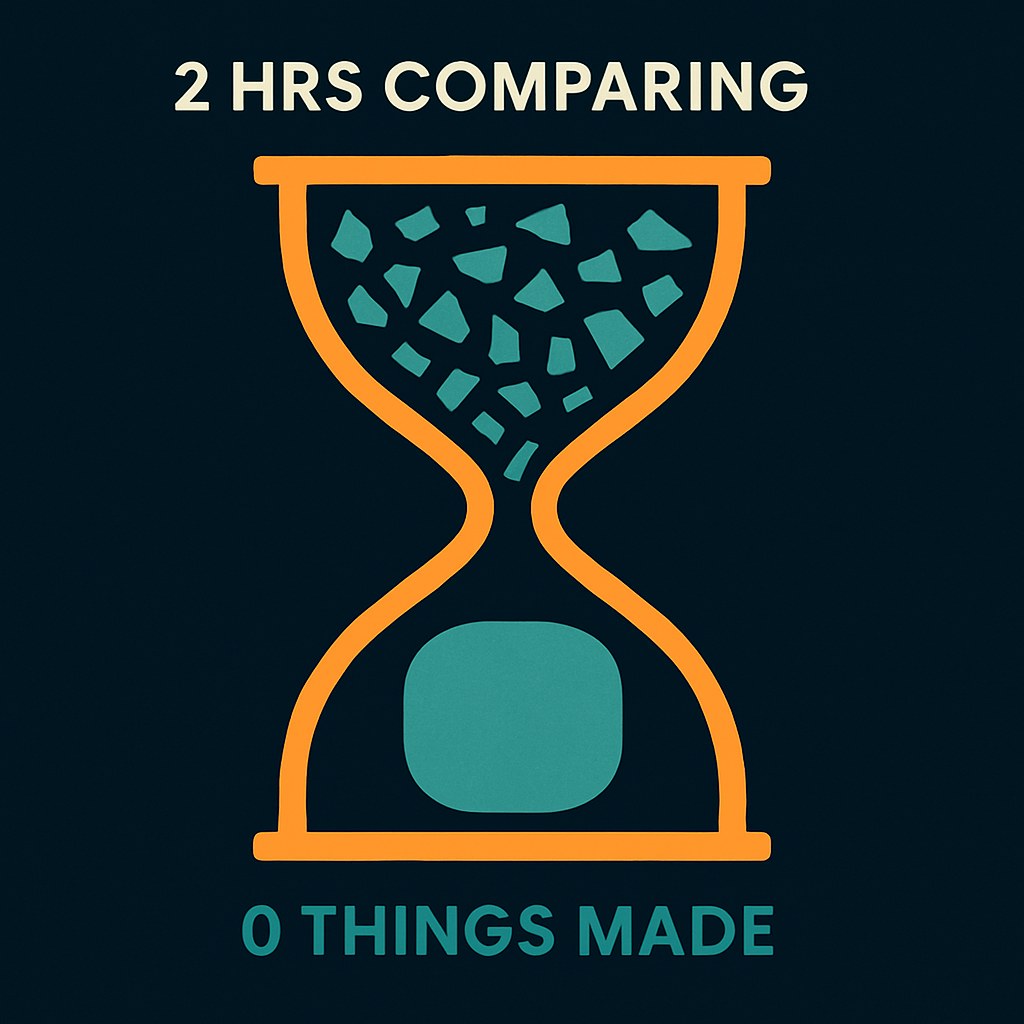
The honest failure mode for new AI tool users isn't picking the wrong one. It's spending two hours comparing options and not making anything.
Match the tool to what you already make:
- You write (essays, scripts, captions, copy): start with ChatGPT. It's the fastest path from idea to first draft.
- You make images (for clients, products, or commercial use): Adobe Firefly's licensed training data is worth prioritizing from the start if you publish commercially. If it's personal or artistic, Midjourney has the stronger aesthetic range, but unlike the five tools above, it requires a paid subscription and has no free plan.
- You make video (social, short-form, experimental): Runway's free trial is enough to understand what AI video can actually do. Expect to hit the credit wall fast, but you'll know within an hour whether it's worth upgrading.
- You do voice, narration, or audio content: ElevenLabs free tier is enough to hear the quality difference. Just know you can't publish those outputs commercially until you're on a paid plan.
- You want to experiment across formats without committing: Google AI Studio is the most latitude for zero dollars, though it rewards some willingness to poke around.
All five featured tools are accessible without a credit card to start.
Before you publish or monetize anything
Commercial rights vary significantly across tools and tiers, and this is worth sorting out before you build a workflow around something.
ChatGPT: OpenAI's terms permit commercial use of generated text and images on both free and paid tiers. What they don't provide is legal indemnification, if a copyright dispute arises over output, you're on your own.
Adobe Firefly: Enterprise users get copyright indemnification, which is the headline differentiator. Free-tier users get commercial use rights but not that legal backstop. Check your plan before pitching client work.
Runway: Free-tier outputs are watermarked and the terms restrict commercial use to paid plans. Verify current terms on Runway's site before publishing anything.
ElevenLabs: This one is explicit. Free-tier audio output is not licensed for commercial use and requires attribution (elevenlabs.io or 11.ai). Commercial rights start at the Starter paid tier. Per attorney analysis of ElevenLabs' terms, paid users retain commercial rights to generated audio even after canceling.
Google Gemini / AI Studio: Google's terms generally permit commercial use of outputs, but AI Studio usage falls under Google Cloud terms, which are worth reading if you're building a product rather than just experimenting.
Suno (AI music, not covered in the tool cards above): Worth knowing: Suno's free tier restricts output to non-commercial use only, which catches a lot of creators off guard when they try to use AI-generated music in monetized videos.
For anything you plan to sell, license, or publish under a brand, check the current terms directly on each tool's site. These details change with plan updates, and no third-party roundup, including this one, stays current long enough to be your final source.
This guide was put together to help you pick one tool, not to make you fluent in all five. The AI creative tool space in 2026 is genuinely capable, and genuinely chaotic, with model versions cycling out every few months and free-tier terms shifting with plan updates. What stays stable is the underlying creative problem each tool solves. Start there.